

Bundles wear the costume of a bargain beautifully. Several items grouped together, sold for one combined price that looks lower than buying each piece on its own, with the whole thing framed as a smart, efficient way to shop. Sometimes that framing is honest and the bundle is a genuine win. Other times it is a clever way to move products you would never have chosen individually.
The difference is not always obvious at a glance, which is exactly why bundles deserve a closer look than the headline price invites. A bundle can be the most economical way to buy, or it can quietly nudge you into paying for things you do not want. Knowing how to read one is the skill that separates a satisfying purchase from a closet full of bundle leftovers.

The Appeal of Buying in Groups
Bundles work because they tap into a few things we genuinely value. There is the promise of saving, since the grouped price usually undercuts the sum of the parts. There is convenience, since you get several related items in one decision rather than many. And there is a sense of completeness, the satisfying feeling of acquiring a whole set rather than piecing it together over time.
Sellers understand all of this, which is why bundles are such a common offer. A well-constructed bundle of complementary items can be a real service, sparing you the trouble of assembling the pieces yourself and rewarding you with a lower combined price for the convenience. When the items genuinely belong together and you want all of them, a bundle is hard to beat.
The appeal becomes a liability only when it overrides judgment. The same feelings that make a good bundle satisfying can make a bad one feel satisfying too, right up until you are stuck with the parts you never wanted. The emotional pull is identical; only the underlying value differs.
When a Bundle Genuinely Saves
A bundle is a real saving under a clear condition: you want all, or nearly all, of what is inside. If every item is something you would have bought anyway, then the combined discount is pure benefit, and you have saved real money over buying each piece separately. This is the bundle at its best, and it is worth seeking out.
The math also favors bundles of things you reliably use and replace. Grouping staples you will work through over time turns a bundle into a sensible way to stock up at a lower rate, since nothing goes to waste. The key is that the items must be ones you would consume or use regardless of the bundle, not novelties the bundle introduced.
When a Bundle Quietly Costs More
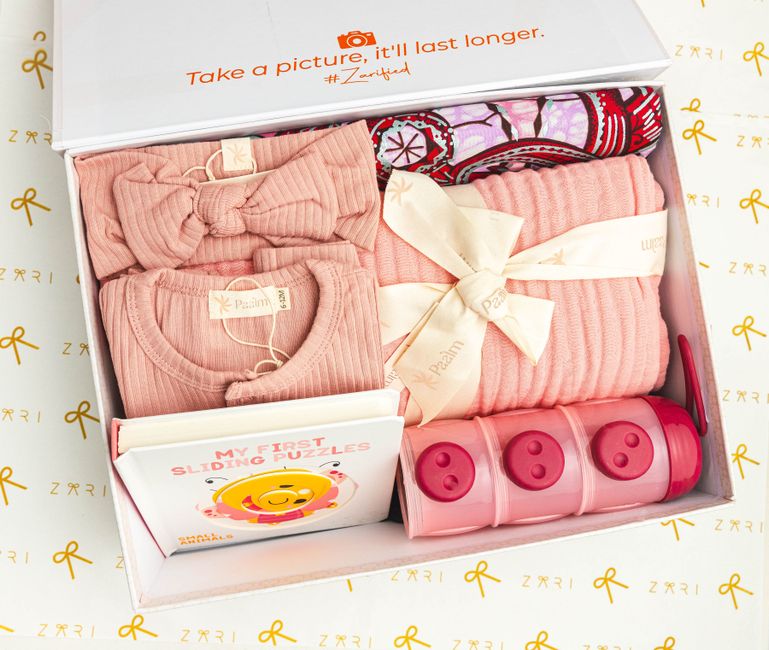
The trouble arises when a bundle pads its value with items you do not want. Sellers know that mixing a desirable item with a few less-wanted ones lets them move the whole group, and the discount on the bundle can be smaller than it appears once you account for the parts you will never use. You may be paying for filler dressed up as a deal.
Running a quick mental check before you commit cuts through the packaging:
- Count what you actually want. If only one or two items in a bundle appeal to you, the rest is paid-for clutter.
- Compare to buying the wanted item alone. Sometimes a single item on its own, perhaps with a separate discount, beats the whole bundle.
- Look past the headline saving. A discount calculated against the full bundle means little if half the bundle has no value to you.
- Consider whether the extras will be used. Items that will sit unused or expire add nothing but cost.
- Watch for forced size or quantity. A bundle that gives you far more than you need is only a deal if you will genuinely use it all.
If the honest tally shows you wanting just a fraction of the bundle, the smarter purchase is usually the individual item you actually want. The bundle’s apparent saving evaporates the moment you account for everything you would be paying for and not using.
Strategies for Bundles You Are Tempted By
When a bundle sits in the gray area, a few moves can tilt it back toward worthwhile. Splitting it with someone is one of the best. If a bundle includes items you want and items a friend wants, dividing it lets each of you claim the combined discount while keeping only what you will use. A shared bundle turns filler into someone else’s treasure.
Another move is to be honest about your future self. It is easy to justify the extra items by imagining you will eventually use them, but that imagined use often never arrives. Ask whether you would buy each extra item on its own today. If the answer is no, do not let the bundle convince you that bought-in-a-group means wanted.
Finally, do not let the framing rush you. Bundles often lean on the same urgency tactics as other promotions, and the antidote is the same: a clear decision made on the merits rather than the pressure. Take the moment to count what you want, run the comparison, and decide deliberately. A bundle worth buying will still be worth buying after you have thought it through.
The Honest Bottom Line
Bundles are neither inherently good nor inherently bad; they are simply offers that demand a clear head. The same package can be a genuine bargain for one shopper and an overpriced grab bag for another, and the only thing that determines which is whether the items inside match what you actually want. The discount is real only to the extent that the contents are useful to you.
The habit that ties all of this together is refusing to let a single number do your thinking for you. A bundle’s headline saving is designed to be the first and loudest thing you notice, but it describes the package, not your needs. Once you train yourself to look past it and tally what you would actually use, the whole category becomes far easier to navigate, and the genuinely good bundles start to stand out clearly from the rest.
So enjoy a bundle when it gathers things you would have bought anyway, split one when only part of it suits you, and walk away when it is mostly filler around a single tempting item. Count what you want, compare it to buying alone, and ignore the urgency. Read bundles that way and you will collect the genuine savings while leaving the dressed-up ones on the shelf.