

Dressing on a petite frame comes with its own set of small challenges. Proportions that look effortless on a taller figure can overwhelm a shorter one, and the wrong cut can make an outfit feel like it’s wearing you. But with a few smart styling principles, you can create the illusion of length and let your clothes work in your favor.
None of this is about hiding or pretending to be something you’re not. It’s about understanding how the eye reads proportion and using that knowledge to flatter your frame. The same outfit that swamps a petite figure can, with a few adjustments, look elongated and elegant. Here’s how to make height work for you.
Create One Long Vertical Line
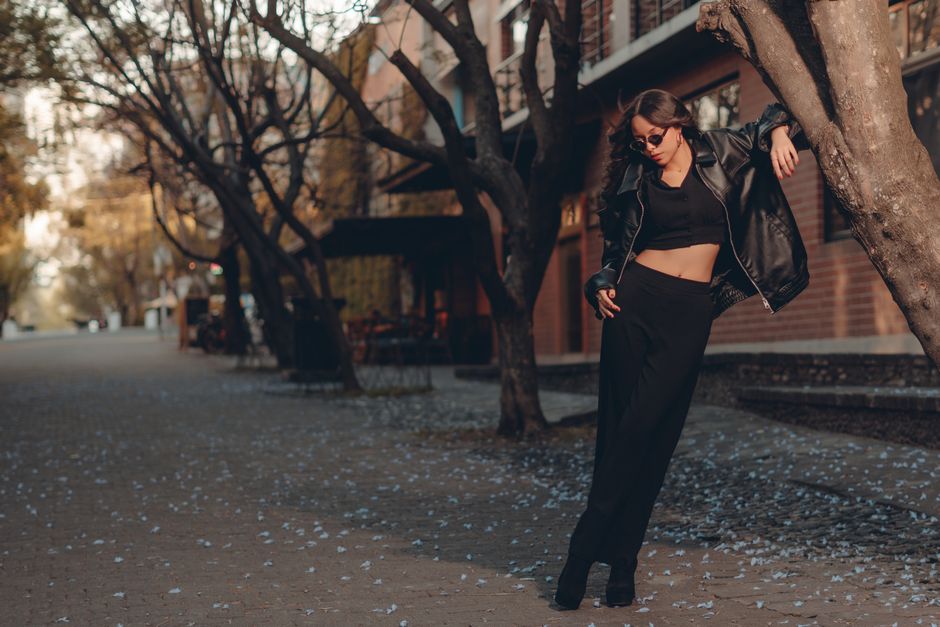
The most powerful trick for adding visual height is to keep your outfit reading as one continuous vertical line. Anything that breaks your body into distinct horizontal chunks tends to make you look shorter, while an unbroken line draws the eye up and down and creates the impression of length.
This is why tonal and monochrome dressing is so flattering on petite frames. When your top, bottom, and shoes share a color family, there’s no harsh break to cut your silhouette in half. The eye glides from head to toe uninterrupted, and that smooth line is what makes you look taller. Vertical elements like an open long cardigan or a column of buttons reinforce the same effect.
Mind Where Your Waist Sits
Waist placement has an outsized effect on how tall you appear. A higher waistline makes your legs look longer, which lengthens your whole frame. Low-slung styles, by contrast, shorten the leg and tend to work against a petite figure.
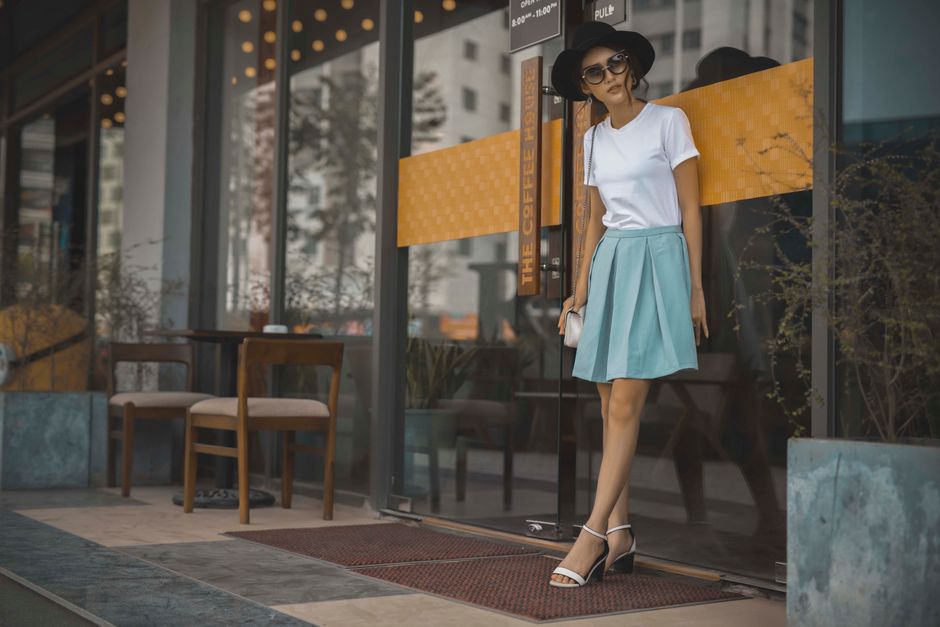
High-waisted bottoms paired with a top tucked in are a petite styling staple for exactly this reason. The defined waist sits higher than your natural midpoint, tricking the eye into reading more leg. Even a small adjustment, like a front tuck or a high-rise cut, can noticeably change your proportions. A thin belt at the waist sharpens the effect further by marking that high point clearly.
Scale Your Proportions Down
Clothes and accessories that are too large in scale can overwhelm a petite frame and emphasize smallness rather than elongating it. Choosing pieces sized appropriately for your body keeps everything in balance. This is less about avoiding certain styles and more about finding the right version of them.
An oversized look, for instance, can still work beautifully if it’s balanced with something fitted, so you don’t disappear into the fabric. The same goes for accessories: a bag or a piece of jewelry proportioned to your frame looks intentional, while an enormous one can dwarf you. Even details like collar size, lapel width, and print scale matter, since smaller-scale versions tend to sit more naturally on a petite frame. Thinking about scale keeps your outfits flattering.
Choose Lengths That Elongate
Hem and sleeve lengths matter more on a petite frame because a few inches in the wrong place can throw off the whole line. The right lengths create elongation, while the wrong ones cut you short. A few reliable guidelines help:
- Pants that end at the right point, neither pooling at the floor nor cutting the ankle awkwardly, keep the leg looking long.
- Dresses and skirts that hit a flattering point on the leg avoid chopping your height.
- A pointed or low-cut shoe extends the line of the leg rather than stopping it abruptly.
- Cropped jackets that hit at or above the waist keep the leg line uninterrupted.
- Sleeves that end cleanly at the wrist, rather than swallowing the hand, keep proportions sharp.
Don’t be afraid of small alterations either. A hem taken up to the perfect length can transform how a garment sits on you, turning something that overwhelms into something that elongates. That little adjustment is often the difference between an outfit that works and one that doesn’t.
Use Shoes and Vertical Details
Footwear is an obvious height helper, but it’s not just about heels. A shoe that continues the line of your leg, especially one in a tone close to your skin or your pants, makes your legs look longer without any added height. The visual continuity does the work.
Vertical details elsewhere help too. A long necklace, a vertical seam, or a column of buttons all draw the eye up and down. These subtle lines reinforce the elongating effect you’re building with proportion and color, layering several height tricks into one cohesive look. A V-neckline does something similar by drawing the eye upward toward your face and lengthening the torso.
Layering Without Losing Height
Layering is one of the trickiest things on a petite frame, since each added piece risks creating another horizontal break. The key is to keep your layers long and lean rather than short and bulky. A long, open cardigan or a duster-length coat creates two vertical columns of fabric that frame your body and add length instead of cutting it.
When you do wear a shorter layer, line it up with your waist so it reinforces that high waistline rather than interrupting the leg. Keeping layers within the same color family as the rest of the outfit also helps, since a contrasting jacket can chop your silhouette in two. Thinner fabrics layer more cleanly than chunky ones, so you stay warm and covered without adding bulk that shortens your frame. With a little planning, you can layer for warmth and style and still keep that long, elongated line intact.
Dressing to Feel Your Best
It’s worth saying that none of these tricks are hard rules you must obey. Plenty of looks that supposedly shorten a petite frame can work beautifully when the rest of the outfit is balanced thoughtfully. A wider trouser, a longer hem, or an oversized piece is all fair game if you pair it with the right proportions elsewhere. The principles here are tools for creating length when you want it, not restrictions on what you’re allowed to wear, and the more you understand them, the more freely you can bend them.
The goal of all these tips isn’t to chase some ideal that isn’t yours; it’s to help you feel confident and put-together in clothes that fit your frame well. A petite figure has plenty of advantages, and the right styling lets you show off your proportions rather than fight them.
Tailoring deserves a special mention here, because it’s often the single biggest upgrade a petite wardrobe can get. Many garments are cut for an average height, which means hems, sleeves, and even shoulders may sit slightly off. A small investment in altering the pieces you wear most, taking up a hem or shortening a sleeve, can make off-the-rack clothes look as though they were made for you. The difference between a well-fitted petite outfit and a slightly-too-long one is dramatic.
Start with the vertical-line principle and the high-waist trick, since those give the biggest payoff, then layer in the finer details as you go. Before long, you’ll instinctively know which cuts and lengths flatter you most. Dressing for your frame is simply dressing smart, and the result is an effortlessly polished, elongated look that’s entirely your own.