

Open shelving in a kitchen is one of those ideas that looks effortless in photos and feels intimidating in real life. Without cabinet doors to hide behind, everything you own is on display, which is exactly the appeal and exactly the challenge. Done well, open shelves make a kitchen feel airy, personal, and inviting. Done poorly, they become a cluttered ledge that makes the whole room feel chaotic.
The difference comes down to a few principles of styling and a willingness to be a little selective about what earns a spot. Open shelves reward intentionality. When you treat them as a blend of practical storage and curated display, you get a kitchen that’s both beautiful to look at and genuinely useful day to day.
Edit Ruthlessly Before You Style
The first step has nothing to do with arranging and everything to do with editing. Open shelves only work when they hold a thoughtfully chosen selection rather than everything you own. So before styling, decide what actually deserves to be seen. The mismatched mugs, the chipped bowls, the random plastic, none of these belong on display.
Reserve the open shelves for the pieces that are both useful and attractive: the dishes you love, the glassware that catches the light, the cookbooks you actually reference. Everything else can live behind closed doors or in drawers. This editing is what keeps open shelving from sliding into clutter, and it’s the single most important step.
A helpful mindset is to think of your shelves as having limited, valuable real estate. If an item doesn’t earn its place by being either beautiful, frequently used, or ideally both, it goes elsewhere. Restraint here pays off enormously in the final look.
Group Like Items and Stack With Purpose
Once you’ve narrowed down your pieces, organization brings the calm. Grouping similar items together, all the plates stacked in one spot, the glasses clustered in another, creates a sense of order that reads as deliberate and clean. Random mixing looks messy; intentional grouping looks styled.
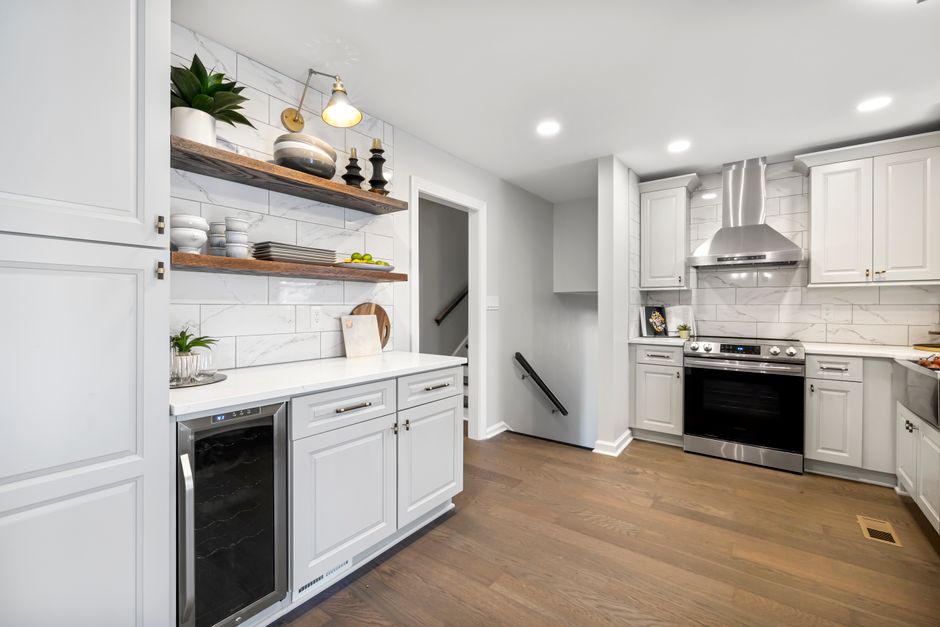
Stacking is your friend on open shelves. Neat stacks of plates and bowls form tidy columns that anchor a shelf, and they’re practical too, since you reach for them constantly. Vary the stacks with a few standing items, like a propped serving board or a row of glasses, so the arrangement has both horizontal and vertical rhythm.
Think about everyday function as you arrange. The things you use most should sit at the most accessible height, while occasional pieces can go higher or lower. Good styling never sacrifices usability; the prettiest shelf in the world fails if you can’t easily grab your morning bowl.
Repetition is a quiet ally here. A row of identical glasses or a line of matching jars reads as crisp and considered, the same way a well-organized pantry does. When several of the same item sit together in a clean line, the effect is calming and orderly, and it gives the busier, more varied groupings on other shelves a restful counterpoint to play against.
Mix in Beauty and Life
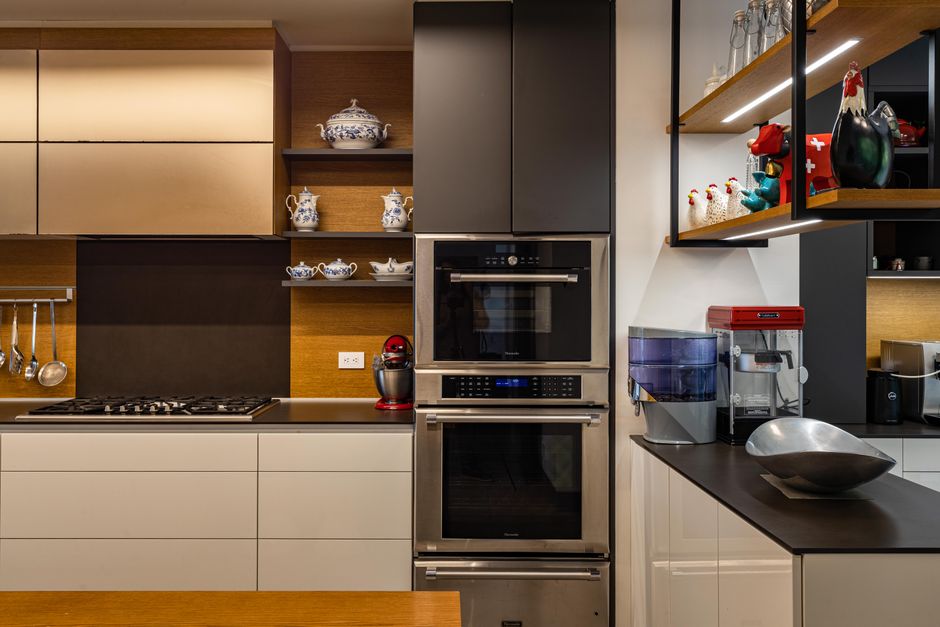
Purely functional shelves can feel a bit stark, so weaving in a few decorative and living elements warms them up. A small plant or a few stems in a jar brings freshness and an organic shape that softens all the hard edges of dishes and glassware. Greenery is the quickest way to make a shelf feel alive rather than store-like.
A few non-dish objects add personality and break up the repetition. The trick is moderation, so these accents enhance the shelves without crowding out the practical items. A single sculptural object or a small piece with a story can become a quiet focal point that lifts the whole display above purely utilitarian.
Consider sprinkling in a few of these:
- A small potted herb or a trailing plant
- A stack of well-loved cookbooks lying flat as a pedestal
- A wooden cutting or serving board propped at the back
- A ceramic crock holding utensils within easy reach
- A single piece of art or a small framed print leaned against the wall
- A pretty bowl of fruit or a glass canister of pantry staples
Play With Height, Layers, and Negative Space
The most appealing shelves use the same depth tricks that make any vignette work. Layering creates dimension: lean a board or a print against the wall at the back, place a medium item like a stack of plates in front of it, and set something small and low at the very front. This front-to-back arrangement gives the eye somewhere to travel.
Varying height across the shelf keeps it from looking monotonous. Alternate tall and short items so the silhouette rises and falls rather than running flat. A tall vase or a standing board next to a low stack of bowls creates that pleasant, undulating rhythm that styled shelves always have.
Just as important is leaving some empty space. Cramming every inch makes even nice items look cluttered. Negative space, the gaps between groupings, lets each arrangement breathe and reads as calm and intentional. Resist the urge to fill every gap; the emptiness is part of the design.
Keep a Consistent Palette and Maintain It
A cohesive color story ties the whole display together. Open shelves look most polished when the items share a loose palette, often neutrals like white, wood tones, and natural materials, with maybe one accent color repeated a few times. When the colors harmonize, even a busy shelf reads as serene.
This is why so many beautifully styled kitchens favor simple white dishes and natural textures. The restraint creates a clean backdrop that always looks pulled together, and it makes adding or swapping pieces easy since everything coordinates by default. If your dishes are already varied in color, leaning into a few consistent neutral accents can pull the look back toward calm.
If your collection skews colorful and you’d rather not replace it, you can decant some everyday staples into matching clear jars and lean on natural wood and woven accents to bring a calm, unifying thread back into the mix. A few coordinating elements go a long way toward making a varied collection feel cohesive.
Finally, remember that open shelves need a little upkeep. They’re out in the open, so they collect dust and grease over time and benefit from an occasional wipe. A quick wipe every so often keeps both the shelves and the items on them looking their best, and it’s a small price for the open, airy character they bring. The upside is that maintaining them encourages you to keep them edited and tidy. With a thoughtful selection, intentional arrangement, and a quick regular reset, your open shelves become one of the most charming features in the whole kitchen.