


There’s a particular kind of warmth you feel when you stay somewhere that’s been thoughtfully prepared for you. It isn’t about grandeur or expense; it’s about the small signs that someone considered your comfort before you even arrived. A folded towel, a glass by the bed, a little note, these details quietly communicate that you’re cared for, and they turn an ordinary stay into one a guest remembers fondly.
The wonderful thing is that hospitality like this is almost entirely about attention rather than money. Anticipating what a guest might need and removing small friction points is a skill anyone can practice. With a handful of simple touches, you can make even a modest home feel generous and welcoming to anyone who walks through your door.
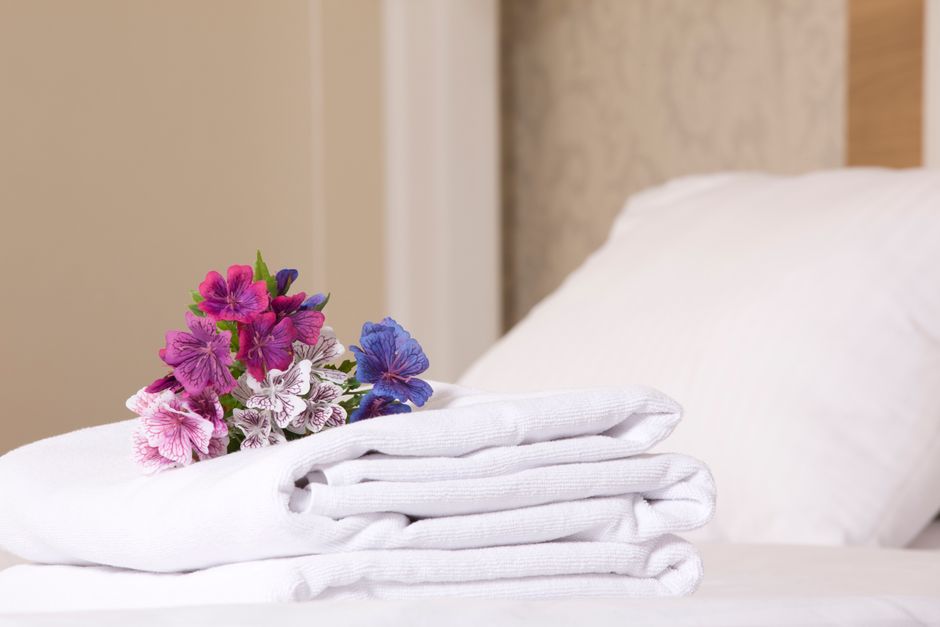
Prepare the Sleeping Space With Care
Where your guest sleeps deserves the most attention, because rest is what they need most. Fresh, clean bedding is the baseline, but a few extra layers of thoughtfulness elevate it. Provide an additional blanket within easy reach so they can adjust to their own comfort, and offer a choice of pillows, since some people like them firm and others soft.
Clearing space for their things matters just as much. An empty drawer, a few hangers in a closet, and a clear surface for a phone and keys let a guest actually settle in rather than living out of a suitcase. These small accommodations signal that they’re not an imposition but a welcome presence with room to breathe.
A bedside touch goes a long way. A small lamp they can reach without getting up, a carafe or bottle of water with a glass, and a place to set their book or phone make the nighttime hours comfortable. Waking up thirsty in an unfamiliar house is a minor misery that a single glass of water entirely prevents.
Stock the Bathroom Like a Good Hotel
The best hosts borrow from hotels when it comes to bathrooms. Guests are often hesitant to ask for things, so having essentials visible and ready spares them the awkwardness. Fresh towels set out specifically for them, with a clear sense that these are theirs to use, remove all guesswork.
Beyond towels, think about the small items people frequently forget to pack. A few backups available without having to ask can save a guest real embarrassment. Set them out neatly so they’re easy to spot and obviously intended for guest use.
A simple guest basket in the bathroom covers most needs:
- A spare toothbrush and travel-size toothpaste
- Basic toiletries like soap, shampoo, and lotion
- A fresh hand towel and a couple of bath towels
- Cotton items, tissues, and anything for a quick freshen-up
- A nightlight for finding the way in an unfamiliar hallway
Leaving a little note pointing out where extra towels or supplies live means a guest never has to go hunting or knock on your door for something basic.

Anticipate the Everyday Needs
Real hospitality is about thinking a step ahead. Before a guest arrives, walk through their likely day and imagine the small moments where they might feel uncertain. Where will they make coffee in the morning? Where can they charge their phone overnight? How does the shower work? Answering these questions in advance smooths their entire stay.
A charging cable left by the bed, the wifi details written somewhere visible, and a quick rundown of how the trickier fixtures work all spare your guest the discomfort of asking. People generally don’t want to feel like a bother, so removing the need to ask is one of the kindest things you can do.
Food and drink fall into this category too. Letting a guest know they’re welcome to help themselves, and pointing out where the snacks, coffee, and glasses are, makes them feel at home rather than like a visitor afraid to open the fridge. A small bowl of fruit or a few snacks set out as theirs is a warm, easy gesture.
It’s also kind to consider a guest’s rhythm rather than only your own. Some people are early risers who’d love to make coffee quietly before anyone else stirs, while others prefer a slow start. Setting out everything they’d need for a self-serve morning, the mugs, the kettle, a little something to eat, means they can move at their own pace without feeling they have to wait on you or tiptoe around an unfamiliar kitchen.
Add a Few Thoughtful Personal Touches
Once the practical needs are covered, small personal flourishes are what a guest truly remembers. These don’t have to be elaborate. A few fresh stems in a little vase, a handwritten welcome note, or a couple of books and magazines left out for browsing all add a sense that effort and affection went into preparing the space.
These small flourishes work because they show forethought rather than expense, and forethought is the truest signal of care. Tailoring even one touch to the specific person makes a big impression. Remembering that a friend loves a particular kind of tea and having it on hand, or leaving out a guidebook because they’re new to the area, shows you thought about them as an individual. It’s this personal attention, more than any object, that makes someone feel genuinely welcome.
Set the Mood Before They Arrive
The atmosphere a guest steps into shapes their first impression instantly. A home that smells fresh, is comfortably lit, and feels calm puts a visitor at ease before a word is spoken. Open a window beforehand to air the room, turn on a soft lamp rather than harsh overheads, and make sure the space feels tidy and ready.
Warm lighting in particular does a lot of quiet work. A softly lit room reads as cozy and intentional, signaling that the space was prepared with their arrival in mind. Combined with a comfortable temperature and a clutter-free environment, it creates an immediate sense of refuge.
Sound and privacy matter just as much as sight. If you can, give your guest a space where they can close a door and have a moment to themselves, since even the most social visitor needs time to recharge. A little white noise from a fan, or simply a quiet corner of the home, helps them sleep well in unfamiliar surroundings and shows you’ve considered their need for rest as well as their comfort.
None of these touches is difficult or costly, yet together they create something that lingers in a guest’s memory: the feeling of being truly looked after. That feeling is the real heart of hospitality, and it comes not from how much you have but from how thoughtfully you share it.